Before Modern Civilization, 1200-1450 (What is the relation between pre-modern and modern civilizations? between nomadic societies and civilization?)
week 1. Society and Civilization; Early and Modern
- 9 Jan. Introduction
- 11 Jan. Fernand Braudel, “Afterthoughts on Material Life,” in Afterthoughts on Material Civilization and Capitalism (Baltimore: Johns Hopkins University Press, 1977), 3-15 (d2l)
- Travels of John Mandeville (c. 1366)
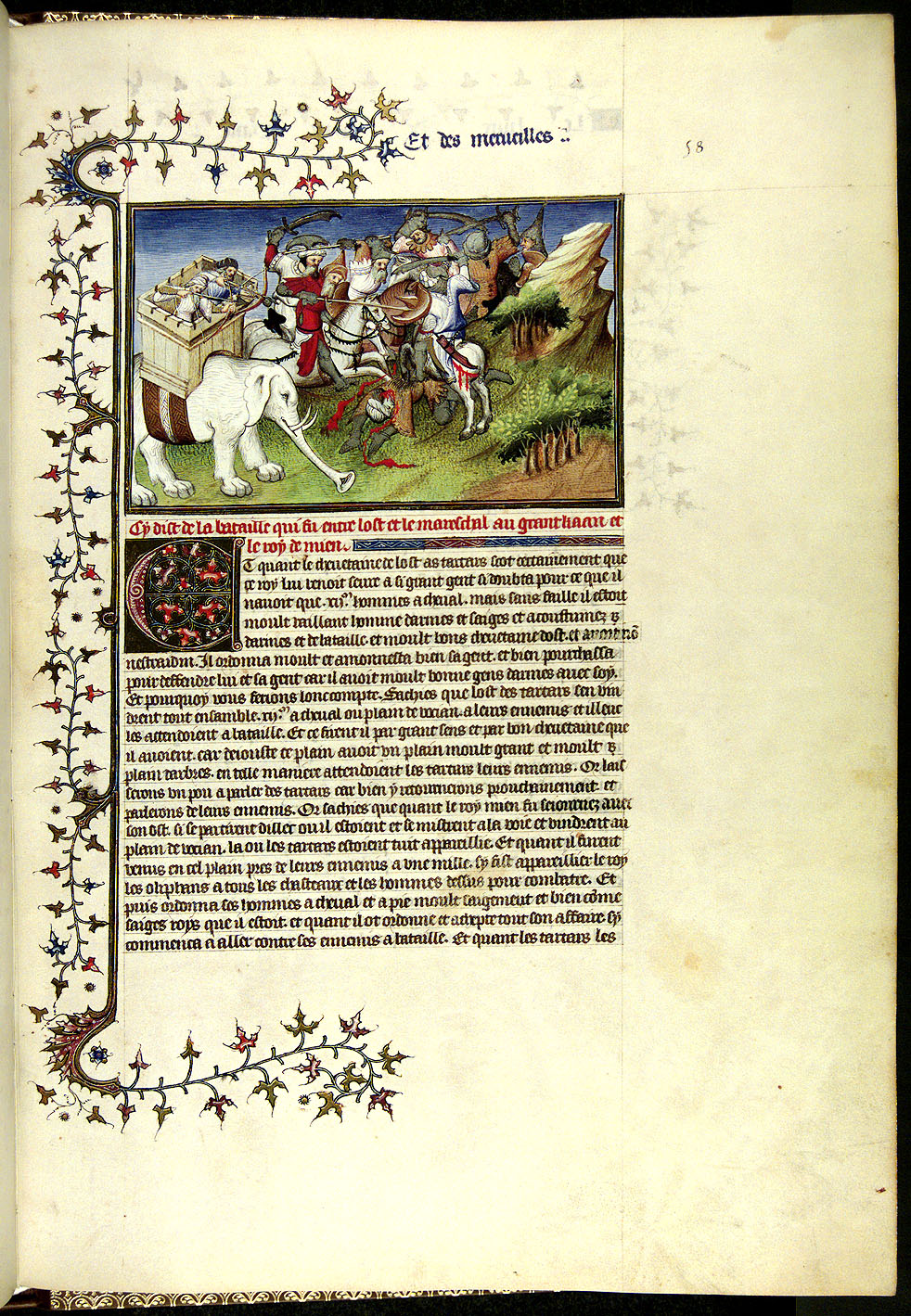
Marco Polo
- 16 Jan. WTWA, 394-401 (ch. 10); Introducing Stats Unit 1
- 18 Jan. WofH, ix-xiii; Fernand Braudel, “Afterthoughts on Material Life,” in Afterthoughts on Material Civilization and Capitalism, 16-35 (d2l); Introducing Stats Unit 1–Word Problem

Liu Kuan-tao (later 13th c.), Khubilai Khan on a hunt
week 3. China as a Pre-modern Civilization (Continuity & Change from Song to Ming Dynasties)
- 23 Jan. WTWA, 430-437, 470-473 (chs. 11-12); Stats Unit 1–Narrative Quiz; Stats Unit 1–Calculation Quiz due
- Song Dynasty (960-1279)
- Yuan Dynasty (Mongols, 1279-1368)
- Ming Dynasty (1368-1644)
- 25 Jan. WofH, ch. 15–source 1; Analyzing Primary Sources, based on Mark Kishlansky, “How to Read a Document,” in Sources of the West (1995); Stats Unit 1–Word Problem

Song dynasty, scholar and monk converse
Europe and the Gunpowder Empires, 1450-1700 (What is the relation between arms and politics? between Church and State?)
week 4. Islamic Gunpowder Empires (Ottoman, Safavid, Mughal)
- 30 Jan. WTWA, 404-421, 468-470 (chs. 11-12); Introducing Stats Unit 2
- 1 Feb. WofH, ch. 17–sources 5-6 (The Akbarnama, 1596; “Memoirs of the Emperor Jahangueir,” c. 1625); Introducing Stats Unit 2–Word Problem
- Turkish Letters of de Busbecq (a review)
- John Chardin (biography, on campus link)
- Nur ud-Din Jahangir (pictures)
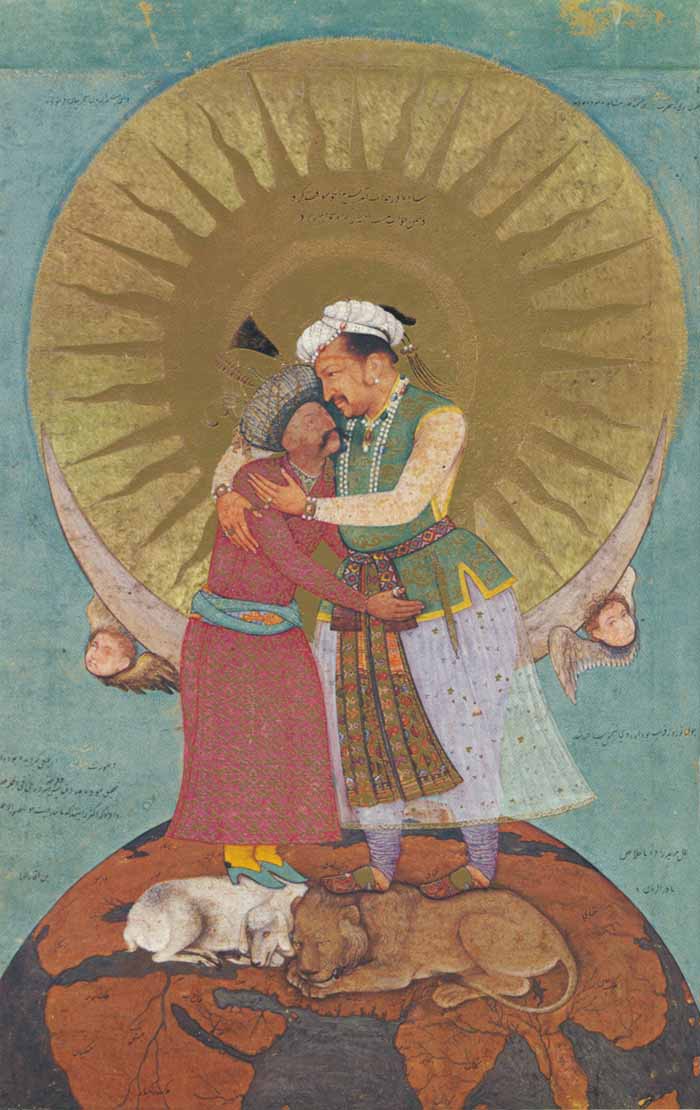
Jahangir's dream of embracing Shah 'Abbas
Taj Mahal mausoleum built by Mughal Emperor Shah Jahan, mid-17th century
week 5. Early and Modern in European Renaissance & Reformation
- 6 Feb. WTWA, 404-407, 421-430, 462-468 (chs. 11-12); Stats Unit 2–Narrative Quiz; Stats Unit 2–Calculation Quiz due
- 8 Feb. WofH, ch. 17–source 4 (“European Faiths and States, 2007); The Prince (c. 1513, d2l); Stats Unit 2–Word Problem due
- Italy (map)
- Machiavelli, On Composing the Prince
- Machiavelli, The Prince
 Lorenzo il Magnifico, 1449-1469-1492
week 6. Europe: New Monarchies
- 13 Feb. Review (note: class begins @ 10:00
- 15 Feb. EXAM 1; (Mentorship Report due 17 Feb.)
 Queen Elizabeth, Armada Portrait
week 7. Old World and the New World
- 20 Feb. WTWA, 440-462 (ch. 12); Introducing Stats Unit 3
- 22 Feb. NO CLASS, HISTORY CAREERS DAY. Stats Unit 3–Narrative Quiz; Stats Unit 3–Calculation Quiz due
- Ma Huan "The Overall Survey of the Ocean's Shores" (1433)
- Journal of the First Voyage of Vasco da Gama to India, 1497−1499 (excerpts and original)
- Letter to Ferdinand and Isabella from C. Columbus (1493)

Earliest European woodcut of the New World
From Wars of Religion to Wars of Trade, 1555-1763 (Did early modern wars in Europe make sense? Why did Europe expand?)
week 8. War, Trade, and Empire, part 1
- 27 Feb. WTWA, 476-488, 510-515 (ch. 13); WofH, ch. 15–sources 3-4 (“Journal of the First Voyage of Vasco da Gama,” 1498; “Letter to King Ferdinand and Queen Isabella,” 1493); Stats Unit 3–Word Problem due
- 1 March WofH, ch. 16–sources 1-2 (“Conquest of New Spain,” c. 1560; “the Aztec Account of the Conquest of Mexico,” c. 1540s); Introducing Stats Unit 4
- War
- Empire
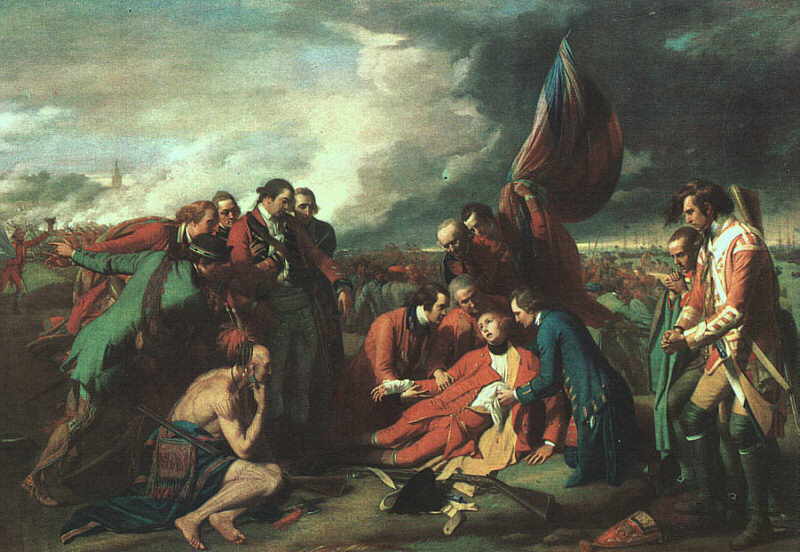 Benjamin West, The Death of Wolfe, 1770
 Benjamin West, The Death of Wolfe, 1770
 week 9. War, Trade, and Empire, part 2: Europe and East Asia
- 6 March WTWA, 495-510 (ch. 13); Comparative Sources Essay due
- Trade
- Antwerp Stock Exchange ca. 1650
- Triangle trade (Atlantic)
- John Law's Mississippi Company (France)
- South Sea Bubble (Britain)
- Trade
- 8 March Stats Unit 4–Narrative Quiz; Stats Unit 4–Calculation Quiz due
week 10. Africa and the Atlantic World
- 20 March WTWA, 488-495 (ch. 13); Stats Unit 4–Word Problem due
- 22 March WofH, ch. 16–sources 4-5 (“Appeal to the King of Portugal,” 1526; “Buying Slaves in 1693"); Introducing Stats Unit 5
 Candide in Surinam
week 11. Culture and Science in the 17th and 18th centuries
- 27 March WTWA, 518-537 (ch. 14); Stats Unit 4–Word Problem (due 2 April)
- 29 March WofH, ch. 19, sources 1-7
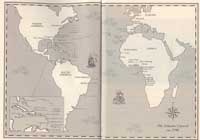 18th-Century Atlantic World

week 12. Slave Trade, Slave Societies
- 3 April WTWA, 542-546, 571-573 (chs.14-15); Stats Unit 5–Word Problem due
- Equiano, Interesting Narrative
- title page; epistle dedicatory; ch. 1; ch. 2
- Q & A with Equiano's biographer
- Caribbean Views from British Library
- Hear the Interesting Narrative
- Olaudah Equiano, or, Gustavus Vassa, the African
- Equiano's Travels (map)
- Equiano, Interesting Narrative
- 5 April Exam 2

Olaudah Equiano, or, Gustavus Vassa, the African
Liberty and Terror at the Advent of Modernity, 1763-1799 (What is the relation between revolution and civilization?)
week 13. The Enlightenment Project
- 10 April (note: class begins @ 10:00) WTWH, 538-542, 546-551 (ch. 14)
- 12 April WofH, ch. 20–sources 1 & 3 (“On Miracles,” 1748; “American Declaration of Independence,” 1776); ch. 21–source 3; Introducing Slave Trade Group Paper
- Encyclopédie 1, 2, 3
- Salons 1, 2
- Enlightened Despotism
- European Enlightenment
- Revolutionaries (sign-up)
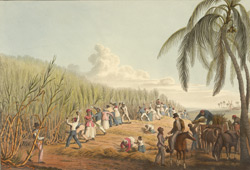 Cutting the Sugar Cane, from 'Ten Views in the Island of Antigua', 1823
week 14. Age of Revolution(s): France, Europe, the World
- 17 April WTWA, 551-571 (ch. 15); Slavery & Freedom brief essay (TBD) due
- 20 April WofH, ch. 20–sources 4-719 April WofH, ch. 20–sources 5-7 (“French Declaration of Rights of Man and Citizen,” 1789; “French Declaration of Rights for Women,” 1791; “Letter to the Directory,” 1797)
- (de Gouges & Robespierre)
- Bertrand Barère, Babeuf's Trial, Marquis de Condorcet, Charlotte Corday, George-Jacques Danton, Camille Desmoulins, Hébertistes, marquis de Lafayette, Toussaint L'Ouverture, Jean-Paul Marat, Marie-Antoinette, Duc d'Orléans, Girondists, Maximilien Robespierre, Madam Roland, Saint-Just, Jacobins & Sans Culottes

week 15. Birth of the Modern
- 24 April WTWA, 590-591 (ch. 15); Slave Trade Group Paper due
- 26 April Conclusion
- 30 April (Monday), 10:15-12:15 pm Final Exam
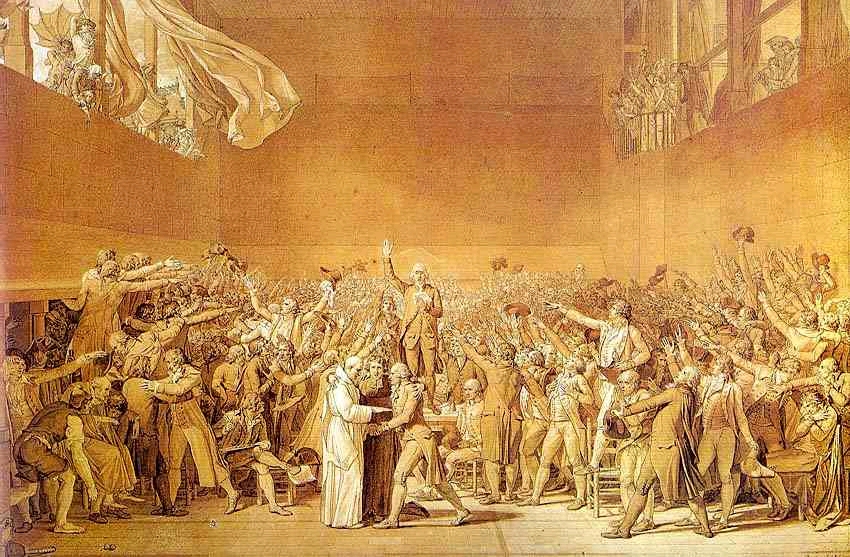
 David, Tennis Court Oath


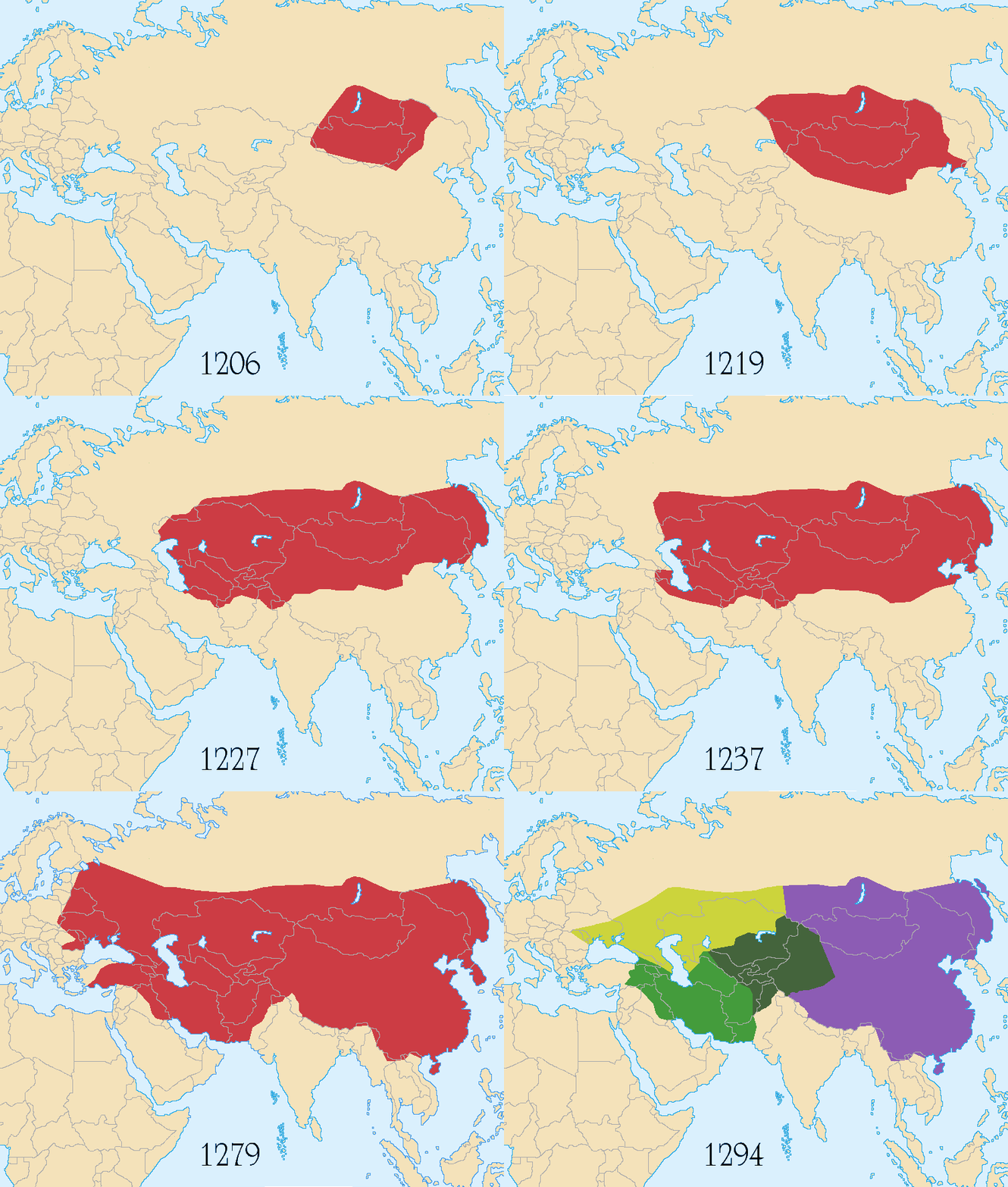







.png)


- WofH. Kevin Reilly, ed., Worlds of History: A Comparative Reader, vol. 2, Since 1400, 6th ed. (Boston: Bedford/St. Martin’s, 2017) [TRS # 11.243]
- WTWA. Robert Tignor, et al., Worlds Together, Worlds Apart, vol. B, 600 to 1850, 4th ed. (New York: W W Norton and Co, 2014) [TRS # 11.244]
